Transform Your Home: Innovative Ideas for Remarkable Home Additions
Revitalizing a home through strategic additions can substantially boost both its utility and curb appeal. From light-filled sunrooms that embrace the outdoors to large decks designed for hosting guests, the opportunities are endless. Extending vital areas like kitchens promotes meaningful interaction, while a garage can solve storage dilemmas. Understanding essential design elements and effective planning is vital. Yet, what truly inspires homeowners to embrace these changes? The answer lies in the transformative power of well-executed home additions.
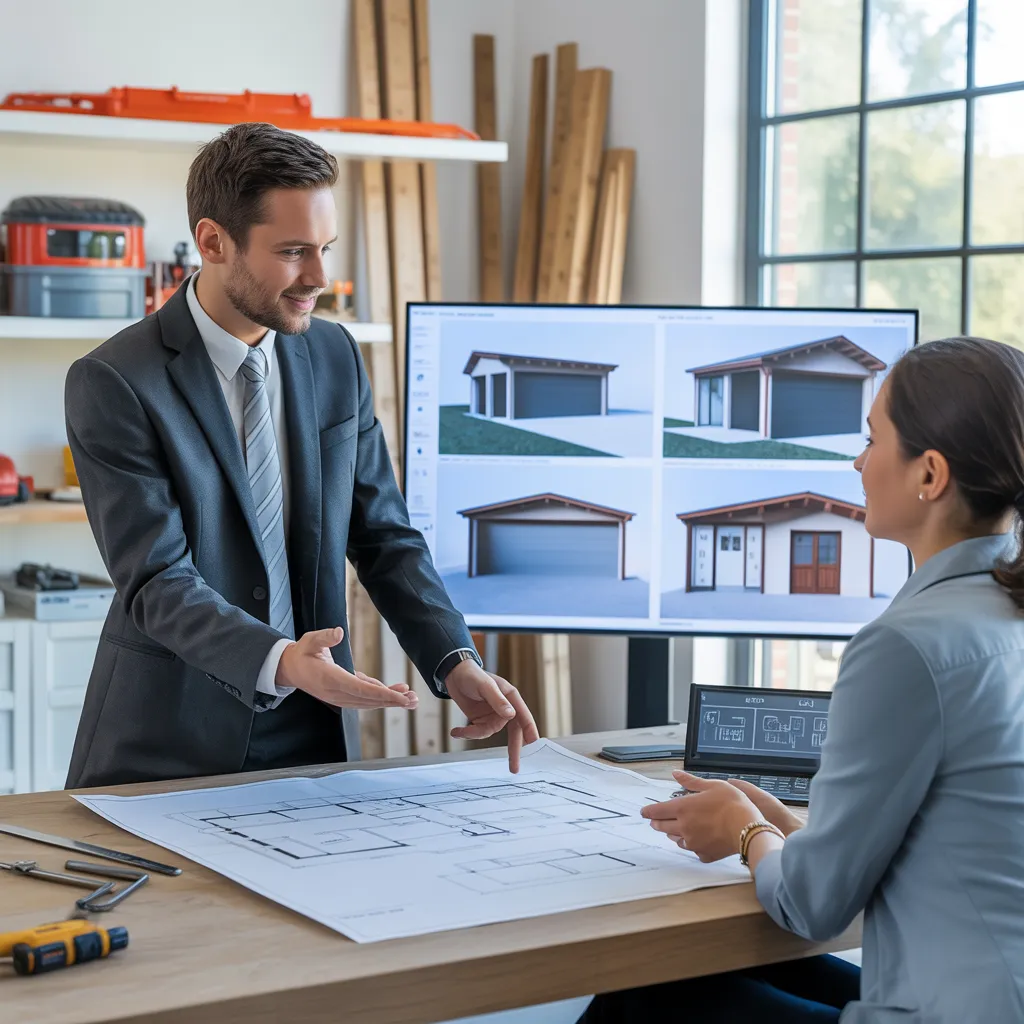
Browse Popular Home Addition Concepts to Reinvent Your Space
Homeowners frequently look for creative methods to improve their living spaces, and examining well-known home expansion options can deliver meaningful changes. One widely favored option is the addition of a sunroom, which introduces abundant natural light while establishing a peaceful retreat for unwinding. A similarly desirable addition is a deck or patio, expanding the usable space into the outdoors and ideal for hosting gatherings.
Homeowners may also consider expanding their kitchens, making them more functional and inviting. A garage addition not only supplies more storage capacity but can additionally function as a workshop or hobby space.
For homeowners requiring extra sleeping spaces, expanding the bedroom space can deliver the privacy and comfort needed. Furthermore, converting attics or basements into livable spaces presents an opportunity for creative design while maximizing existing square footage. Each of these ideas has the potential to enhance both functionality and aesthetic appeal, ultimately transforming a home into a more enjoyable environment.
Ways Home Additions Can Improve Your Lifestyle?
Home additions can greatly enhance living space, offering families the opportunity to grow and adapt. Moreover, expanding a home can lead to increased property value, making it a wise financial investment. In addition, these expansions frequently strengthen family bonds by developing common areas for shared activities and gatherings.
Upgrade Living Space
Extending a residence through home additions can significantly enhance one's way of living by delivering greater functionality and comfort. For growing families, additional rooms can support growing needs, such as a children's playroom or a home office for remote work. A thoughtfully designed addition can establish a natural transition between outdoor and indoor spaces, encouraging relaxation and social interaction. Furthermore, incorporating elements like open floor plans or large windows encourages a sense of spaciousness and natural connection. Improved living areas also support individualized design selections, showcasing personal tastes and preferences. In summary, residential additions not only improve current areas but also create environments that promote well-being and improve daily living experiences.
Raise Property Value
Putting money into residential expansions can significantly increase a property's market value, making it a wise financial decision. By expanding square footage or introducing useful living zones, homeowners can attract potential buyers and raise property values. Additions like new bedrooms, contemporary kitchens, or multipurpose living areas often yield significant returns on investment. Moreover, improvements such as sunrooms or outdoor decks not only enhance visual appeal but also appeal to lifestyle desires, additionally increasing appeal. A thoughtfully executed addition can turn a residence into a more desirable asset, aligning with present market demands and purchaser expectations. In summary, purposeful residential additions offer an intelligent method of maximizing property value while elevating the quality of life for present homeowners.
Foster Family Connections
A carefully crafted addition can substantially enhance family connections by establishing spaces that foster interaction and togetherness. Open-plan layouts, such as family rooms or spacious kitchens, serve as hubs for shared activities, fostering communication and togetherness. Designated areas for hobbies or playrooms give children a place to interact, while adults can enjoy nearby social spaces. Furthermore, including outdoor living spaces, like patios or decks, allows families to congregate in a comfortable environment. These improvements not only promote everyday connections but also provide a backdrop for cherished gatherings and celebrations. In the end, well-planned home additions convert living environments into supportive spaces that reinforce family ties, enhancing overall quality of life.
Key Design Elements to Improve Your Home Addition
When property owners think about a home addition, integrating essential design elements can greatly improve both visual appeal and practicality. Essential features encompass natural light, which can be accomplished using large windows or skylights, establishing a luminous and appealing area. Furthermore, an open floor plan fosters effortless movement between current and added spaces, creating a feeling of cohesion.
Combining matching materials and hues confirms the addition harmonizes with the original structure, preserving structural cohesion. Careful positioning of furniture and installations enhances utility, rendering the space functional for daily use. Exterior links, for example a patio or deck, serve to enlarge living spaces and inspire outdoor engagement. Finally, eco-conscious designs, including proper insulation and sustainable materials, support lasting savings and ecological mindfulness. By emphasizing these critical design factors, homeowners can create a cohesive and beautiful addition that enhances their living experience.
Plan Your Home Addition Project Effectively
Careful planning is critical for a productive home addition undertaking. Homeowners ought to start by establishing their objectives, whether it's generating additional living space, improving usability, or elevating the property's worth. Establishing a clear vision assists in directing the design and construction process. Furthermore, reviewing regional zoning ordinances and construction codes is necessary to guarantee compliance and avoid potential setbacks.
Developing a schedule that defines each phase of the project supports maintaining direction and accountability. Homeowners may also want to consider working with qualified professionals, like architects or contractors, for expert advice and to streamline the project.
Furthermore, prioritizing team member communication promotes cooperation and tackles problems as they emerge. Finally, keeping an eye on future needs can assist in crafting an addition that maintains its value and functionality. Through implementing these strategies, homeowners can navigate their home addition projects with greater confidence and clarity.
Home Addition Budgeting: Important Tips to Know
Budgeting for a home addition necessitates meticulous planning and consideration to avoid unexpected expenses. Property owners should start by identifying a reasonable budget that covers all aspects of the project, including permits, materials, labor, and unforeseen expenses. It is wise to reserve an additional 10-20% of the total budget for contingencies.
Researching and comparing costs from various contractors may yield important knowledge and support better decision-making. Additionally, property owners should weigh their necessities against their preferences, guaranteeing that key components are incorporated while staying within their budget.
Creating a comprehensive timeline can assist in aligning expenditures with construction stages, minimizing monetary pressure. Additionally, consulting with a financial expert or a contractor can offer greater insight into likely costs and payment alternatives, ensuring that the budget remains manageable throughout the residential addition endeavor. This strategic approach contributes to a prosperous and fiscally responsible residential expansion.
Real-Life Home Addition Transformations to Inspire You
Remarkable residential addition makeovers demonstrate the extraordinary capacity of home interiors. One notable example is a humble bungalow that went through a transformative transformation with click here a clean-lined, modern expansion. By adding a spacious culinary and dining zone, the residents enhanced their culinary lifestyle while developing a cozy gathering space for family and friends.
A remarkable transformation highlights a compact dwelling that extended skyward with a appealing loft, maximizing space while introducing a comfortable reading corner. This ingenious approach not only increased usability but also infused character into the home.
At last, a suburban ranch-style house adopted a modern design with a fully glazed sunroom, illuminating the interior with generous natural light and providing breathtaking views of the backyard garden.
These real-life transformations illustrate the diverse possibilities for home additions, encouraging homeowners to imagine their own distinctive upgrades and redefine their living environments.
Commonly Asked Questions
What Permits Are Required for a Home Addition Project?
For those planning a home addition project, homeowners generally require a building permit, approval from the zoning board, and possibly electrical or plumbing permits. Municipal regulations differ, so consulting with municipal authorities is strongly recommended to ensure all requirements are met.
How Long Does a Typical Home Addition Take to Complete?
A typical home addition typically takes between two to six months to complete, depending on factors such as size, complexity, permits, and weather conditions. Thorough planning and an efficient contractor can greatly affect the overall timeline.
Can I Continue Living in My Home Throughout the Addition Process?
Yes, homeowners can frequently reside in their homes during the home addition process. However, factors like the scope of the project, construction location, and noise levels may disrupt accessibility and comfort, requiring temporary adjustments or accommodations during the construction phase.
What Common Mistakes Should You Avoid When Planning an Addition
Frequent errors to watch out for during addition planning consist of failing to accurately estimate expenses, overlooking required permits, overlooking structural integrity, failing to assess future needs, and failing to seek expert guidance. Thorough planning ensures a more seamless process and superior outcomes.
How Do I Find the Right Contractor for My Project?
To select the ideal professional, it is important to research qualifications, verify recommendations, and ensure open communication. Comparing multiple bids and examining previous work can aid in establishing dependability and suitability for the particular residential expansion project.